Carpal Tunnel
WHAT IS CARPAL TUNNEL SYNDROME?

Carpal tunnel syndrome in East Providence RI, Pawtucket RI, Providence RI, or Central Falls RI occurs when one of the body's peripheral nerves becomes compressed or traumatized. The nerve in question is the median nerve, a nerve that controls sensations to the palm side of the thumb and the first three fingers. When the median nerve becomes compressed or squeezed at the wrist due to irritated tendons or similar swelling, it results in pain, weakness, or numbness in the hand and wrist which radiates up the arm.
WHAT ARE THE SYMPTOMS OF CARPAL TUNNEL SYNDROME?
Symptoms usually start gradually
- With frequent burning, tingling, or itching numbness in the palm of the hand and the fingers especially the thumb, index, and middle fingers.
- Some carpal tunnel sufferers say their fingers feel useless and swollen, even though little or no swelling is apparent.
- The symptoms often first appear in one or both hands during the night, since many people sleep with flexed wrists.
- A person with carpal tunnel syndrome may wake up feeling the need to "shake out" the hand or wrist.
As symptoms worsen
- People might feel tingling during the day.
- Decreased grip strength may make it difficult to form a fist, grasp small objects, or perform other manual tasks.
- In chronic and/or untreated cases, the muscles at the base of the thumb may deteriorate.
- Some people are unable to determine between hot and cold by touch.
HOW IS CARPAL TUNNEL SYNDROME TREATED?
Treatments for carpal tunnel syndrome should begin as early as possible, under a doctor's direction. Underlying causes such as diabetes or arthritis should be treated first.
Initial treatment generally involves
- Resting the affected hand and wrist for at least two weeks.
- Avoiding activities that may worsen symptoms.
- Immobilizing the wrist in a splint to avoid further damage from twisting or bending.
SOME COMMON TREATMENTS CHIROPRACTORS USE FOR CARPAL TUNNEL SYNDROME INCLUDE:
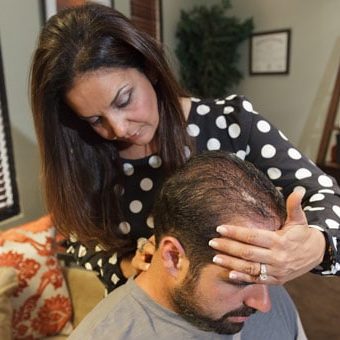
- Manipulation of the wrist, arm, and upper spine: Misalignment in the spine could contribute to symptoms of carpal tunnel syndrome. Doctors of Chiropractic perform adjustments or spinal manipulations that aim to correct improper alignment in the spine. The chiropractor typically performs an adjustment using his or her hands, but sometimes devices are employed. Chiropractors may also adjust and treat other areas of the body as needed, including the wrist and arm.
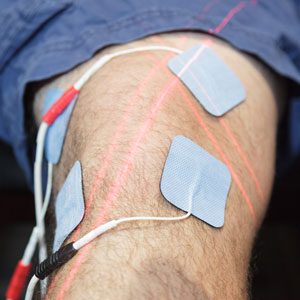
- Ultrasound therapy: This therapy uses either very high-energy or low-energy sounds, both of which are outside the range of normal human hearing. The chiropractor uses a device that emits focused sound waves that penetrate deep into body tissue. Sound waves can relax muscles, alleviate pain, and reduce inflammation. Wrist supports: Wrist supports seek to keep the wrist in the proper alignment and can be used to treat or prevent carpal tunnel syndrome.
- Cold laser therapy: Erchonia lasers emit visible coherent light that is applied to the affected area. Bundles of light energy pass through the dermal layers and are received within the cell membrane by specific energy photo acceptors. The increase in intra-cellular energy results in altered cell membrane permeability and physiological changes occur through an enzyme cascade which affects several biological processes. Within the injured musculoskeletal tissue, low-level laser light initiates increased microcirculation and enhanced tissue regeneration. The overall effects are decreased pain and inflammation, and increased range of motion.
WHAT CAN BE EXPECTED DURING THE HEALING PROCESS?
Chiropractic care is generally a relatively safe practice and is a non-invasive treatment for carpal tunnel syndrome, especially compared to treatment involving medications and surgery. Studies have shown improvement in symptoms of repetitive stress injuries (RSIs), including carpal tunnel syndrome, as a result of chiropractic treatment. Some research has concluded that chiropractic can be just as effective as allopathic care for RSI's.
As with any medical treatment, the prognosis for resolution of a Repetitive Stress Injury (RSI) can vary from patient to patient. This is based on such factors as the nature and severity of the RSI, the age and overall health of the patient, and the simultaneous use of other therapies. In many cases, chiropractic treatment has helped patients struggling with carpal tunnel syndrome. So, although carpal tunnel and other RSI patients must face the realities of modern-day society with its risks of conditions like RSI, chiropractic can provide hope for managing this condition.
GET STARTED TODAY AT DECRESCENZO CHIROPRACTIC!
RANKED #1 ON RATEMD

INJURED IN A CAR ACCIDENT?
Most people only think about their automobile in an accident. Make sure you are truly "O.K." before you settle your case! Learn more...
HURT AT WORK?
It's important to understand that chiropractic care is covered by worker's compensation insurance, and is effective and cost-efficient. Learn more...
TREATMENTS WE OFFER
Learn more about the cutting-edge procedures used in our offices:



CONTACT US